Buy ggbet.eu ?
We are moving the project
ggbet.eu .
Are you interested in purchasing the domain
ggbet.eu ?
domain@kv-gmbh.de · 0541-91531010
Buy ggbet.eu ?
What is a sensory processing disorder?
A sensory processing disorder is a condition in which the brain has difficulty receiving and responding to information that comes in through the senses. This can result in an individual being over-sensitive or under-sensitive to sensory input, leading to difficulties in regulating emotions, behavior, and responses to stimuli. People with sensory processing disorders may have challenges with everyday activities and may benefit from therapy and interventions to help them better process sensory information. **
Does anyone know about sensory processing issues in autism and know where to find information about it?
Yes, sensory processing issues are common in individuals with autism. These issues can involve heightened sensitivity or decreased sensitivity to sensory stimuli such as touch, sound, taste, or smell. To find more information about sensory processing issues in autism, you can consult reputable sources such as the Autism Society, Autism Speaks, or the Sensory Processing Disorder Foundation. Additionally, speaking with healthcare professionals or therapists who specialize in autism and sensory processing can provide valuable insights and resources. **


Similar search terms for Sensory processing
Top-Angebote
Products related to Sensory processing:
-
Uplifted Finds Professional Dental Wax Shovel And Hot Spade For Oral Full Denture Processing Lab Tools aCommand ultimate technical confidence with this Dental Wax Shovel set, a highperformance lab solution specifically engineered to act as a comprehensive tool for elite organization and superior technical ergonomics. Built with a robust stainless...72,97 $*Shipping: 0,00 $Secure redirect to the provider
-
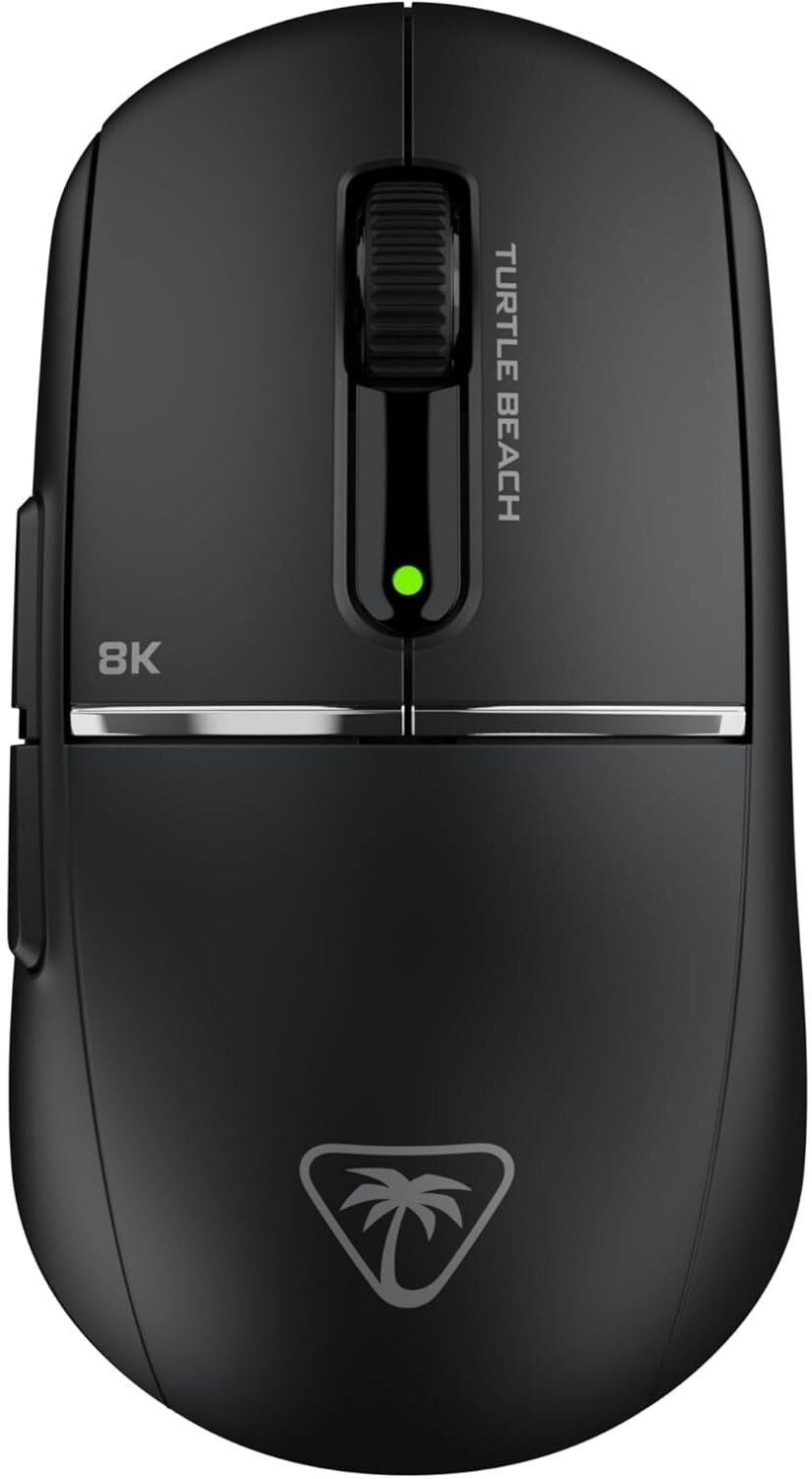
Turtle Beach Burst II Pro Black Wireless Esports Gaming MouseOverview The Turtle Beach Burst II Pro Wireless is a high-performance esports gaming mouse engineered for speed, accuracy, and competitive gameplay. Featuring an ultra-lightweight design, a high-precision 30K DPI optical sensor, and an ultra-fast 8K polling rate, this mouse is built to deliver lightning-fast response times and reliable wireless performance. Designed for serious PC gamers, it combines precision engineering with long battery life to support extended gaming sessions. Key Features • Ultra-lightweight design at approximately 57g for fast movements • Owl-Eye optical sensor with up to 30,000 DPI precision • True 8,000Hz wireless polling rate for ultra-low latency • Titan optical switches rated for up to 100 million clicks • Up to 150-hour battery life depending on polling settings • Dual wireless connectivity including 2.4GHz and Bluetooth • Symmetrical shape suitable for multiple grip styles • Up to 8 programmable buttons for custom controls • Smooth tracking on multiple surfaces including glass • Software customisation for DPI and performance tuning Benefits The Burst II Pro is ideal for competitive gamers who require fast reaction times and precision tracking. Its lightweight build helps reduce fatigue during long gaming sessions, while the 8K polling rate ensures extremely responsive input for FPS and esports titles. With flexible connectivity and long battery life, it is also suitable for users wanting a reliable wireless gaming setup without constant charging. Specifications Specification Details Brand Turtle Beach Model Burst II Pro Colour Black Sensor Owl-Eye Optical Sensor DPI Up to 30,000 DPI Polling Rate Up to 8000Hz Connectivity 2.4GHz Wireless, Bluetooth, USB Buttons Up to 8 Programmable Switch Type Titan Optical Switches Weight Approx. 57g Battery Life Up to 150 Hours Design Symmetrical Usage Esports / Gaming79,98 £*Shipping: 0,00 £Secure redirect to the provider
-
Fusion Finds Professional Dental Shovel & Hot Wax Spade, Stainless Steel Oral Tool For Full Denture Processing & Wax Dyke Creation bElevate the precision and efficiency of your dental laboratory with our professionally crafted Dental Shovel. This isn't just another tool; it's an extension of your skill, designed for dental technicians who demand reliability and performance in...29,97 $*Shipping: 0,00 $Secure redirect to the provider
-
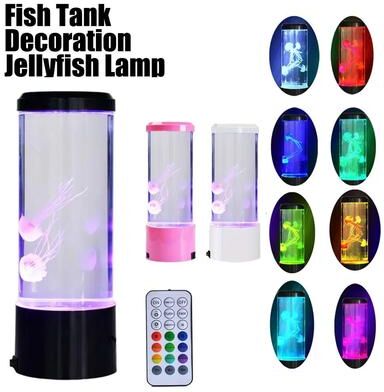
Uplift Essentials Floating Jellyfish Sensory Mood Lamp Floating Jellyfish Sensory Mood LampDive into a world of tranquility with the Floating Jellyfish Sensory Mood Lamp, a mesmerizing centerpiece designed to bring the calming depths of the ocean into your living space. This highdefinition aquarium uses advanced fluid dynamics to create a...72,97 $*Shipping: 0,00 $Secure redirect to the provider


-
What are sensory cells, sensory organs, and senses?
Sensory cells are specialized cells that detect and respond to specific stimuli, such as light, sound, touch, taste, and smell. These cells are found in sensory organs, which are structures in the body that contain sensory cells and are responsible for detecting and transmitting sensory information to the brain. The senses, on the other hand, are the physiological capacities of organisms that provide data for perception. They include sight, hearing, touch, taste, and smell, and are essential for experiencing and interacting with the environment. **
-
What is the difference between a primary sensory cell, a secondary sensory cell, and a sensory nerve cell?
Primary sensory cells are specialized cells that directly detect stimuli from the environment, such as light, sound, or touch. Secondary sensory cells receive signals from primary sensory cells and transmit them to the central nervous system. Sensory nerve cells, also known as sensory neurons, are responsible for transmitting the signals from secondary sensory cells to the brain, where they are processed and interpreted. In summary, primary sensory cells detect stimuli, secondary sensory cells relay the signals, and sensory nerve cells transmit the signals to the brain for processing. **
-
What is sensory perception?
Sensory perception refers to the process of receiving and interpreting information from the environment through the senses. This includes the five main senses of sight, hearing, touch, taste, and smell, as well as other sensory experiences such as balance, proprioception, and temperature. The brain then processes this sensory information to create a perception of the world around us, allowing us to interact with and understand our surroundings. Sensory perception is essential for everyday functioning and plays a crucial role in how we experience and navigate the world. **
-
Are receptors sensory cells?
Receptors are not sensory cells themselves, but they are specialized proteins located on the surface of sensory cells. These receptors are responsible for detecting and responding to specific stimuli, such as light, sound, taste, or smell. When a receptor is activated by a stimulus, it triggers a series of biochemical reactions within the sensory cell, ultimately leading to the generation of a sensory signal that can be transmitted to the brain for processing. Therefore, while receptors are not sensory cells, they play a crucial role in the sensory process by detecting and transducing stimuli into neural signals. **


Why is sensory transduction necessary?
Sensory transduction is necessary because it allows the body to convert various forms of environmental stimuli, such as light, sound, touch, and chemical signals, into electrical signals that can be interpreted by the nervous system. This process is essential for the body to perceive and respond to its surroundings, allowing for the detection of potential dangers, the regulation of bodily functions, and the experience of sensations such as taste, smell, and touch. Without sensory transduction, the body would not be able to effectively interact with its environment and respond to changes in its surroundings. **
How does sensory development progress?
Sensory development progresses through a series of stages, beginning with basic sensory experiences such as touch, taste, and smell in infancy. As children grow, they develop more refined sensory abilities, such as improved vision and hearing, and begin to integrate sensory information to make sense of their environment. This process continues into adolescence and adulthood, with individuals becoming more adept at interpreting and responding to sensory stimuli. Overall, sensory development progresses from basic sensory experiences to more complex and integrated sensory abilities as individuals mature. **
Top-Angebote
Products related to Sensory processing:
-
Redken Shades Equalizing Processing Solution 1000 ml 1 LHealth and Beauty Coloration Redken Shades Equalizing Processing Solution 1000 ml 1 L What is Redken Shades Equalizing Processing Solution 1000 ml Redken Shades Equalizing Processing Solution 1000ml is a professional-use activator specially designed to work with the demi-permanent shades of the Redken Shades EQ line. Its liquid formula helps to optimize the application of color, ensuring even distribution and consistent results. This product not only activates the color, but also contributes to improving the porosity of the hair, allowing the pigments to adhere effectively without compromising the health of the hair fiber. Benefits of Redken Shades Equalizing Processing Solution 1000 ml - Homogeneous results : Ensures uniform color distribution for a professional finish. - Improves hair porosity : Allows effective absorption of pigments, promoting a longer lasting tone. - Conditions and protects : Its softening formula helps maintain hair health and provides exceptional shine. - Easy to mix : Blends seamlessly with Shades EQ shades, making application easy and achieving a professional finish. - Ammonia-free : Does not damage the hair structure and allows for gentle and progressive colouring. Who is Redken Shades Equalizing Processing Solution 1000 ml for? This product is designed for: - Hairdressing professionals looking for quality demi-permanent colouring. - People who want to tone, tint or revitalize their hair color without damaging it. - Those looking for a low maintenance solution with a shiny, natural finish. - Users with porous or damaged hair who require a smooth and even application of color. How do I apply it? - In a non-metallic bowl, mix Redken Shades Equalizing Processing Solution with Shades EQ shade in a 1:1 ratio. - Apply to dry or damp hair using a brush or applicator bottle. - Leave it on for 20 to 30 minutes , depending on the intensity of the desired color. - Rinse with plenty of water and finish with a shampoo and conditioner suitable for colored hair. Product Usage Redken Shades Equalizing Processing Solution 1000 ml is formulated to work exclusively with Redken Shades EQ shades. It should not be mixed with other brands' products or permanent dyes. For best results, it is recommended for use on pre-lightened hair or hair with a natural base suitable for the desired shade. This activator is ideal for creating vibrant color effects, correcting unwanted tones and providing a professional finish with extra shine and softness. Buy Redken Shades Equalizing Processing Solution 1000 ml Get Redken Shades Equalizing Processing Solution 1000 ml and boost your hair color with a gentle, ammonia-free, highly conditioning formula. Perfect for toning, toning or revitalizing color without damage. Ensure an even, long-lasting result with the liquid activator preferred by professional stylists. Make your purchase now and discover the difference of a radiant color with Redken Shades Equalizing Processing Solution 1000 ml .16,46 £*Shipping: 4,99 £Secure redirect to the provider
-
Uplifted Finds 2 in 1 Precision Nut Processing System Premium Chestnut Opener & Walnut Pliers 2 in 1 Precision Nut Processing System Premium Chestnut Opener & Walnut PliersCommand ultimate culinary confidence with the Precision Nut Processing System, a highperformance gastronomic solution specifically engineered to act as a comprehensive tool for elite organization and superior technical ergonomics. Built with a...35,97 $*Shipping: 0,00 $Secure redirect to the provider
-
Uplifted Finds Professional Dental Wax Shovel And Hot Spade For Oral Full Denture Processing Lab Tools aCommand ultimate technical confidence with this Dental Wax Shovel set, a highperformance lab solution specifically engineered to act as a comprehensive tool for elite organization and superior technical ergonomics. Built with a robust stainless...72,97 $*Shipping: 0,00 $Secure redirect to the provider
-
Turtle Beach Burst II Pro Black Wireless Esports Gaming MouseOverview The Turtle Beach Burst II Pro Wireless is a high-performance esports gaming mouse engineered for speed, accuracy, and competitive gameplay. Featuring an ultra-lightweight design, a high-precision 30K DPI optical sensor, and an ultra-fast 8K polling rate, this mouse is built to deliver lightning-fast response times and reliable wireless performance. Designed for serious PC gamers, it combines precision engineering with long battery life to support extended gaming sessions. Key Features • Ultra-lightweight design at approximately 57g for fast movements • Owl-Eye optical sensor with up to 30,000 DPI precision • True 8,000Hz wireless polling rate for ultra-low latency • Titan optical switches rated for up to 100 million clicks • Up to 150-hour battery life depending on polling settings • Dual wireless connectivity including 2.4GHz and Bluetooth • Symmetrical shape suitable for multiple grip styles • Up to 8 programmable buttons for custom controls • Smooth tracking on multiple surfaces including glass • Software customisation for DPI and performance tuning Benefits The Burst II Pro is ideal for competitive gamers who require fast reaction times and precision tracking. Its lightweight build helps reduce fatigue during long gaming sessions, while the 8K polling rate ensures extremely responsive input for FPS and esports titles. With flexible connectivity and long battery life, it is also suitable for users wanting a reliable wireless gaming setup without constant charging. Specifications Specification Details Brand Turtle Beach Model Burst II Pro Colour Black Sensor Owl-Eye Optical Sensor DPI Up to 30,000 DPI Polling Rate Up to 8000Hz Connectivity 2.4GHz Wireless, Bluetooth, USB Buttons Up to 8 Programmable Switch Type Titan Optical Switches Weight Approx. 57g Battery Life Up to 150 Hours Design Symmetrical Usage Esports / Gaming79,98 £*Shipping: 0,00 £Secure redirect to the provider
-
What is a sensory processing disorder?
A sensory processing disorder is a condition in which the brain has difficulty receiving and responding to information that comes in through the senses. This can result in an individual being over-sensitive or under-sensitive to sensory input, leading to difficulties in regulating emotions, behavior, and responses to stimuli. People with sensory processing disorders may have challenges with everyday activities and may benefit from therapy and interventions to help them better process sensory information. **
-
Does anyone know about sensory processing issues in autism and know where to find information about it?
Yes, sensory processing issues are common in individuals with autism. These issues can involve heightened sensitivity or decreased sensitivity to sensory stimuli such as touch, sound, taste, or smell. To find more information about sensory processing issues in autism, you can consult reputable sources such as the Autism Society, Autism Speaks, or the Sensory Processing Disorder Foundation. Additionally, speaking with healthcare professionals or therapists who specialize in autism and sensory processing can provide valuable insights and resources. **
-
What are sensory cells, sensory organs, and senses?
Sensory cells are specialized cells that detect and respond to specific stimuli, such as light, sound, touch, taste, and smell. These cells are found in sensory organs, which are structures in the body that contain sensory cells and are responsible for detecting and transmitting sensory information to the brain. The senses, on the other hand, are the physiological capacities of organisms that provide data for perception. They include sight, hearing, touch, taste, and smell, and are essential for experiencing and interacting with the environment. **
-
What is the difference between a primary sensory cell, a secondary sensory cell, and a sensory nerve cell?
Primary sensory cells are specialized cells that directly detect stimuli from the environment, such as light, sound, or touch. Secondary sensory cells receive signals from primary sensory cells and transmit them to the central nervous system. Sensory nerve cells, also known as sensory neurons, are responsible for transmitting the signals from secondary sensory cells to the brain, where they are processed and interpreted. In summary, primary sensory cells detect stimuli, secondary sensory cells relay the signals, and sensory nerve cells transmit the signals to the brain for processing. **
Similar search terms for Sensory processing
-
Fusion Finds Professional Dental Shovel & Hot Wax Spade, Stainless Steel Oral Tool For Full Denture Processing & Wax Dyke Creation bElevate the precision and efficiency of your dental laboratory with our professionally crafted Dental Shovel. This isn't just another tool; it's an extension of your skill, designed for dental technicians who demand reliability and performance in...29,97 $*Shipping: 0,00 $Secure redirect to the provider
-
Uplift Essentials Floating Jellyfish Sensory Mood Lamp Floating Jellyfish Sensory Mood LampDive into a world of tranquility with the Floating Jellyfish Sensory Mood Lamp, a mesmerizing centerpiece designed to bring the calming depths of the ocean into your living space. This highdefinition aquarium uses advanced fluid dynamics to create a...72,97 $*Shipping: 0,00 $Secure redirect to the provider
-
Inspire Essentials Watermelon Slushie Squishy Sensory Toy Watermelon Slushie Squishy Sensory ToyAdd a playful splash of summer style to your desk or room with this watermelon squishy toy. Designed to resemble a refreshing watermelon slushie in a cup, it combines realistic food inspired details with satisfying squeezable fun. This sensory...41,48 $*Shipping: 0,00 $Secure redirect to the provider
-
Inspire Essentials Cheese Squeeze Sensory Stress Toy Cheese Squeeze Sensory Stress ToyGive restless hands something satisfying and fun to squeeze with this soft cheese squishy. Its shapeable texture and slow rebound design create an enjoyable tactile experience during work study or downtime. The playful cheese shape makes this fidget...34,98 $*Shipping: 0,00 $Secure redirect to the provider
-
What is sensory perception?
Sensory perception refers to the process of receiving and interpreting information from the environment through the senses. This includes the five main senses of sight, hearing, touch, taste, and smell, as well as other sensory experiences such as balance, proprioception, and temperature. The brain then processes this sensory information to create a perception of the world around us, allowing us to interact with and understand our surroundings. Sensory perception is essential for everyday functioning and plays a crucial role in how we experience and navigate the world. **
-
Are receptors sensory cells?
Receptors are not sensory cells themselves, but they are specialized proteins located on the surface of sensory cells. These receptors are responsible for detecting and responding to specific stimuli, such as light, sound, taste, or smell. When a receptor is activated by a stimulus, it triggers a series of biochemical reactions within the sensory cell, ultimately leading to the generation of a sensory signal that can be transmitted to the brain for processing. Therefore, while receptors are not sensory cells, they play a crucial role in the sensory process by detecting and transducing stimuli into neural signals. **
-
Why is sensory transduction necessary?
Sensory transduction is necessary because it allows the body to convert various forms of environmental stimuli, such as light, sound, touch, and chemical signals, into electrical signals that can be interpreted by the nervous system. This process is essential for the body to perceive and respond to its surroundings, allowing for the detection of potential dangers, the regulation of bodily functions, and the experience of sensations such as taste, smell, and touch. Without sensory transduction, the body would not be able to effectively interact with its environment and respond to changes in its surroundings. **
-
How does sensory development progress?
Sensory development progresses through a series of stages, beginning with basic sensory experiences such as touch, taste, and smell in infancy. As children grow, they develop more refined sensory abilities, such as improved vision and hearing, and begin to integrate sensory information to make sense of their environment. This process continues into adolescence and adulthood, with individuals becoming more adept at interpreting and responding to sensory stimuli. Overall, sensory development progresses from basic sensory experiences to more complex and integrated sensory abilities as individuals mature. **
* All prices are inclusive of VAT and, if applicable, plus shipping costs. The offer information is based on the details provided by the respective shop and is updated through automated processes. Real-time updates do not occur, so deviations can occur in individual cases. ** Note: Parts of this content were created by AI.